Apollo
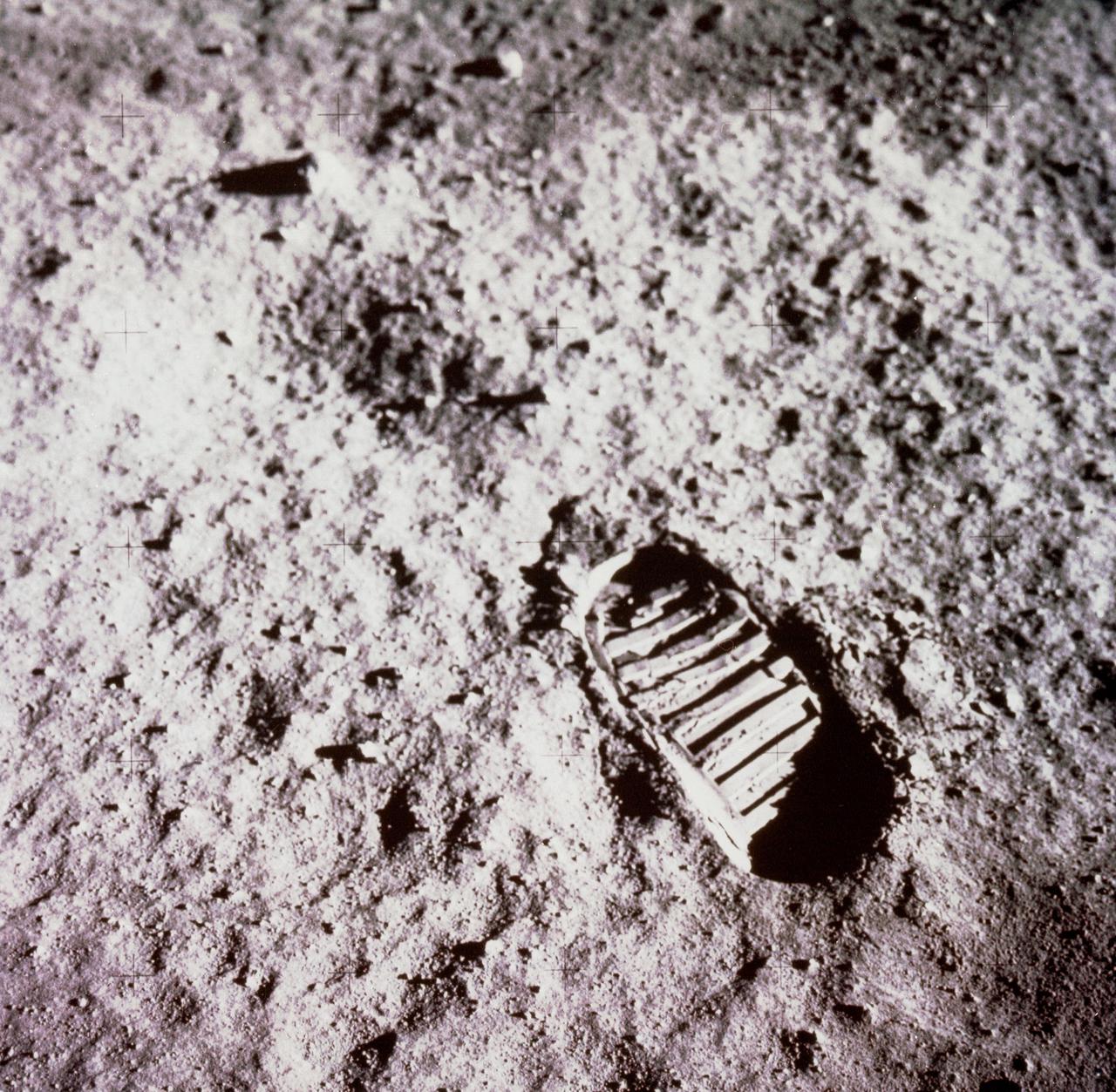 Image provided by NASA.
The Apollo program was a groundbreaking series of space missions conducted by NASA, the United States' space agency, with the goal of landing humans on the moon and safely returning them to Earth. It represented a significant milestone in the history of space exploration and was initiated in response to the space race during the Cold War era. The program spanned from 1961 to 1972 and consisted of a total of 17 missions, with Apollo 11 being the most famous for achieving the historic moon landing on July 20, 1969. This event marked the first time in human history that astronauts set foot on another celestial body, with astronaut Neil Armstrong becoming the first person to step onto the lunar surface, famously saying, "That's one small step for man, one giant leap for mankind." The Apollo missions were technologically and logistically complex endeavors. They used a variety of spacecraft, including the Saturn V rocket, the Command Module, and the Lunar Module. The journey to the moon involved a multi-day trip through space, navigating complex orbital maneuvers and precision landing procedures. These missions required highly trained astronauts who underwent rigorous training, both on Earth and in simulated lunar environments, to prepare for the unique challenges of lunar exploration. Apollo 11, in particular, was a historic mission that captured the world's attention. In addition to Neil Armstrong, astronauts Buzz Aldrin and Michael Collins were part of the crew. While Armstrong and Aldrin descended to the lunar surface in the Lunar Module, named Eagle, Collins remained in orbit around the moon in the Command Module, named Columbia. The successful landing and subsequent moonwalk marked a moment of pride and achievement for the United States and demonstrated the nation's scientific and technological capabilities. The Apollo program not only fulfilled President John F. Kennedy's 1961 challenge to land a man on the moon and return him safely to Earth before the end of the decade but also advanced our understanding of space science, geology, and lunar exploration. The Apollo missions brought back valuable lunar samples, conducted experiments, and provided important data that contributed to our knowledge of the moon's history and formation. Though the Apollo program officially ended with Apollo 17 in 1972, its legacy continues to inspire and influence future space exploration efforts, including plans for returning to the moon and venturing beyond to Mars and other celestial destinations.
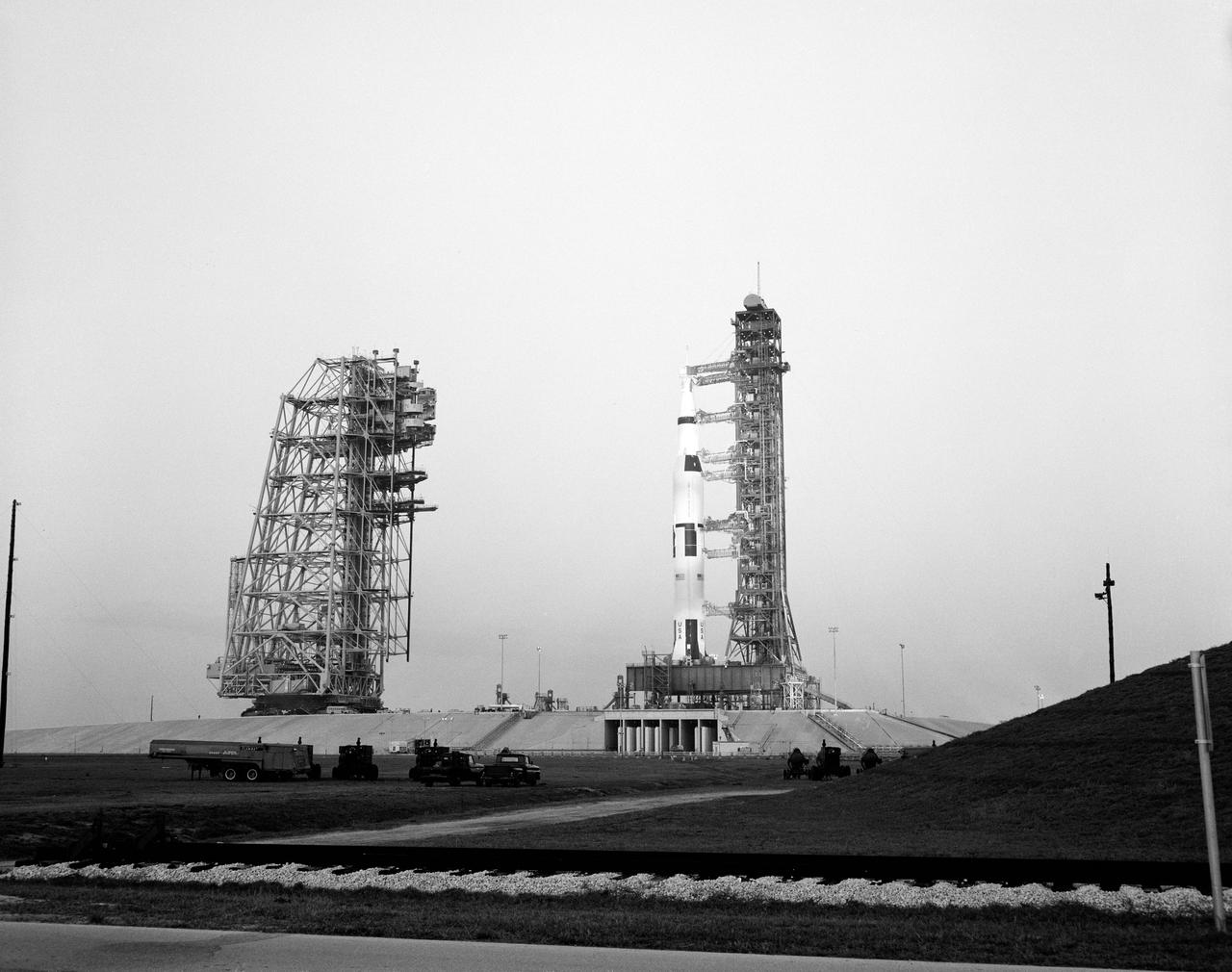 Image provided by NASA.
The Apollo program was not only a remarkable feat of engineering but also a testament to international collaboration and innovation. It involved the work of thousands of scientists, engineers, and technicians who developed cutting-edge technology to overcome the challenges of space travel. It also led to advancements in various fields, including computer science, materials science, and telecommunications. The computers used in the Apollo missions were far less powerful than modern-day smartphones, yet they played a crucial role in guiding the spacecraft safely to the moon and back. The lunar landings were not just an American achievement but a testament to human ingenuity and the pursuit of knowledge. The Apollo missions left an indelible mark on history and the human spirit. They symbolized the pursuit of a seemingly impossible goal and served as a source of inspiration for generations. The images of astronauts walking on the moon, planting the American flag, and conducting experiments remain iconic symbols of human achievement and exploration. The legacy of Apollo continues to shape space exploration efforts, with the Artemis program, initiated by NASA, aiming to return humans to the moon and establish a sustainable lunar presence. As we look back at the Apollo program, we are reminded of the power of determination and collaboration, pushing the boundaries of human exploration and opening doors to future possibilities in space.